Identifying with a stranger
Contextualisation
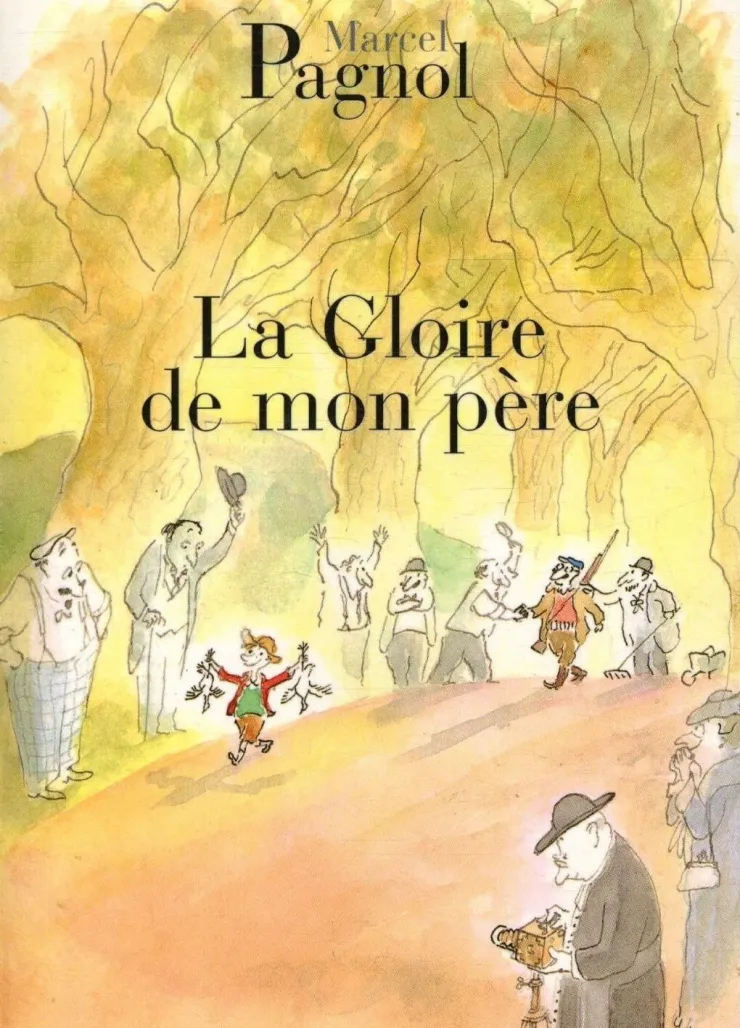
Published in 1957, by French writer Marcel Pagnol, it is an autobiographical novel. We follow and discover the author's entire youth: we start with his birth, on February 28, 1895, then the first years at school as well as his family holidays.
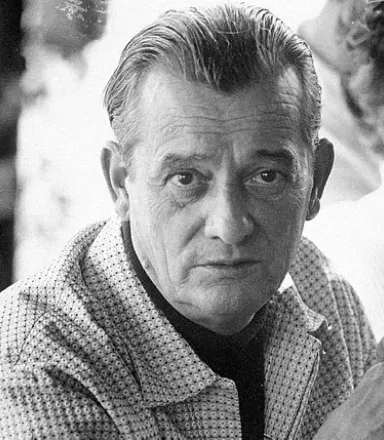
"My Father's Glory" Author
This is the first volume of a series of four autobiographical novels:
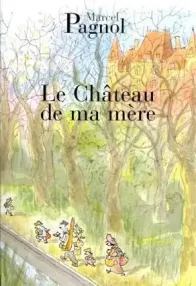
“My Mother's Castle” (1957)
“The Time of Secrets" (1960)
“The Time of loves" (1977)
On its release, the book was a huge success, selling over 50,000 copies in its first month.
Book summary
Marcel Pagnol is a young child from Marseilles, his father is a primary school teacher and his mother is waiting for his little brother. For his summer holidays, he went with his little family to the hills, to La Treille.
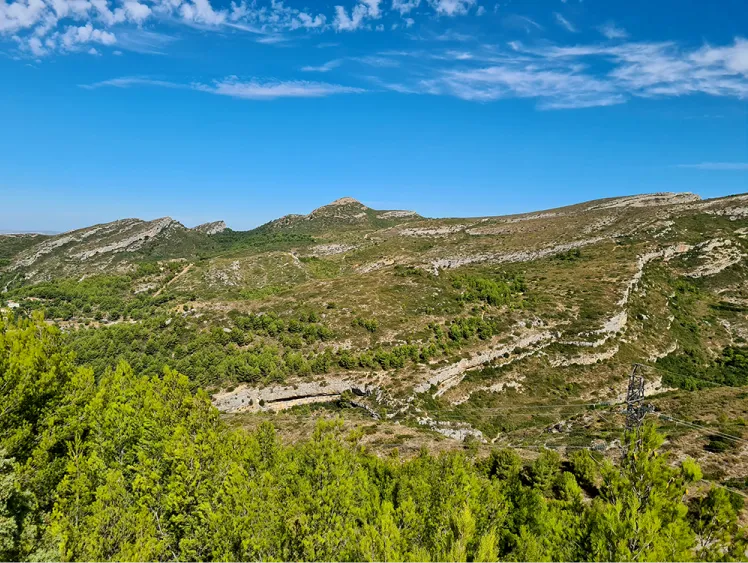
View of the hills at La Treille
Testimony of an era
To read "La gloire de mon père" is to travel and feel a period. Marcel Pagnol describes in the most beautiful way his childhood environment. The author's pen is unique and manages, with childhood anecdotes and descriptions of the South of France, to touch us and anyone can identify with it.
I discovered this book this year and it has quickly become one of my favourite books. Despite the fact that the story is purely personal, the feeling is universal: everyone can identify with young Marcel and his holiday adventures. Admittedly, the book came out 65 years ago but it hasn't aged. There is perhaps a slightly dated vocabulary at times but I find that this adds to the charm, especially when describing the life of the inhabitants of the beginning of the 20th century.
An intergenerational classic
"My Father's Glory" is a timeless book whose story and author's adventure can speak to everyone. We all had a different childhood, yet the work is accessible to everyone and we can easily identify with the author.
Extract from the book
"[...] je me racontais des histoires, et je me promenais au bord du parc Borély, qui est une sorte de parc de Saint-Cloud, en bout du Prado de Marseille.
Le jeudi et le dimanche, ma tante Rose, qui était la sœur aînée de ma mère, et qui était aussi jolie qu'elle, venait déjeuner à la maison, et me conduisait ensuite, au moyen d'un tramway, jusqu'en ces lieux enchantés.
On y trouvé des allées ombragées par d'antiques platanes, des bosquets sauvages, des pelouses qui vous invitaient à vous rouler dans l'herbe, des gardiens pour vous le défendre, et des étangs où naviguaient des flottilles de canard.
On y trouvait aussi, à cette époque, un certain nombre de gens qui apprenaient à gouverner la bicyclette : le regard fixe, les mâchoires serrées, ils échappaient soudain au professeur, traversaient l'allée, disparaissaient dans une fourré, et reparaissaient, leur machine autour du cou. Ce spectacle ne manquait pas d’intérêt, et j'en riais aux larmes. Mais ma tante ne me laissait pas longtemps dans cette zone dangereuse : elle m'entrainait -la tête tourné en arrière- vers un coin tranquille, au bord de l’étang."
"Mon oncle Jules devint très vite mon grand ami. Il me félicitait souvent d'avoir tenu la parole donnée, et d'avoir gardé le secret, au temps des rendez-vous au parc Borély ; il disait à qui voulait l'entendre, que "cet enfant ferait un grand diplomate" ou un "officier de premier ordre" (cette prophétie, qui avait pourtant une alternative, ne s'est pas encore réalisée). Il tenait beaucoup à voir mes bulletins scolaires, et me récompensait (ou me consolait) par des jouets ou des sachets de berlingots.
Cependant, comme je lui conseillais un jour de faire construire une petite maison dans son admirable parc Borély, avec un balcon pour voir les cyclistes, il m'avoua, sur le mode badin, qu'il n'en avait jamais été le propriétaire.
Je fus consterné par la perte instantanée d'un si beau patrimoine, et je regrettai d'avoir si longtemps admiré un imposteur.
De plus, je découvris ce jour-là que les grandes personnes savaient mentir aussi bien que moi, et il me sembla que je n'étais plus en sécurité parmi elles."